
Published 29 January 2026
Effective 6 Products Designed for Contact Dermatitis Care
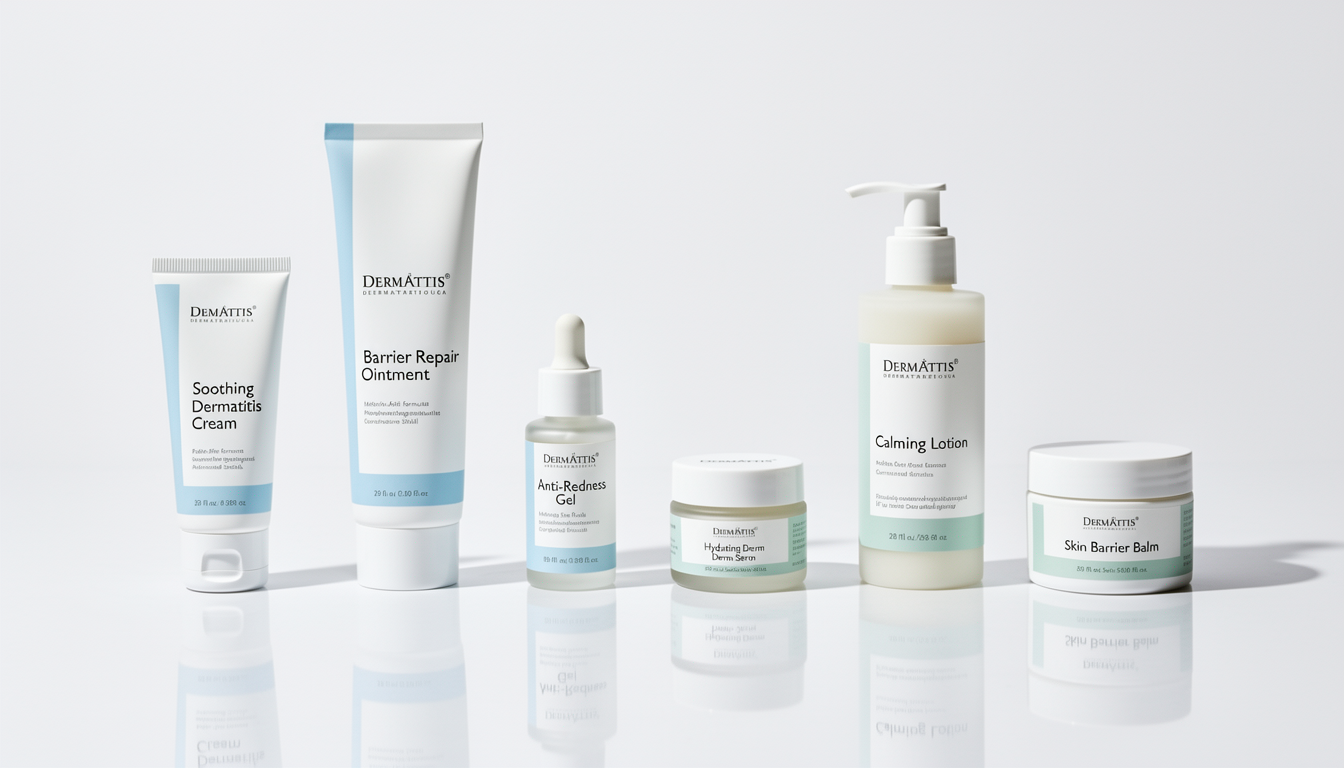
Contact dermatitis causes inflamed, itchy, and red skin after exposure to an irritant or allergen. Choosing products that calm inflammation and restore the skin barrier makes a big difference in symptom control and recovery. This selected list presents six options that combine active, science-backed ingredients with gentle formulations to reduce discomfort and support healing.
1. EMUAIDMAX First Aid Ointment
For people needing broad relief for stubborn or severe skin problems, EMUAIDMAX First Aid Ointment delivers a concentrated formula intended to tackle pain, infection risk, and inflammation. This maximum-strength ointment is often used to speed up repair of irritated or damaged skin, and many users notice reduced itching and redness after a few days of regular application.
EMUAIDMAX combines Emu Oil, valued for deep penetration and anti-inflammatory effects, with Tea Tree Leaf Oil for natural antibacterial and antifungal support. It also contains Bacillus Ferment, a postbiotic that can help the skin’s microbiome, and Argentum Metallicum (colloidal silver) to soothe irritation and limit bacterial growth. The product’s EMUTANEOUS transdermal technology helps these medical-grade ingredients reach the skin’s outer layer. Pricing for a typical size usually falls between $30-$60+, reflecting the concentrated formula and specialized components.
2. Cortizone-10 Maximum Strength 1% Hydrocortisone Anti-Itch Cream
Cortizone-10 Maximum Strength 1% Hydrocortisone Anti-Itch Cream is a common over-the-counter choice for sudden itching and inflammation. Its 1% hydrocortisone, a mild topical steroid, helps quickly ease discomfort from contact dermatitis, eczema, psoriasis, and bug bites by calming inflamed skin and reducing redness.
It comes in multiple forms, including aloe-infused creams and cooling sprays, to target localized flare-ups. Intended for short-term symptom control, Cortizone-10 is budget-friendly and typically costs about $5-$15.
3. Vaseline Healing Jelly Original
Vaseline Healing Jelly Original is a go-to recommendation for protecting and repairing compromised skin. Made from 100% pure, triple-purified petroleum jelly, it creates an occlusive layer that prevents moisture loss and helps the skin heal by locking in hydration.
Well-suited for very dry, cracked, or damaged skin, Vaseline is hypoallergenic, non-comedogenic, and fragrance-free, which reduces the chance of added irritation and makes it appropriate for sensitive skin and baby rashes. The National Eczema Association has given it its Seal of Acceptance, and it’s an economical option, usually priced under $10.
4. Cetaphil Eczema Restoraderm Flare-Up Relief Cream
Cetaphil Eczema Restoraderm Flare-Up Relief Cream targets the intense dryness and itching that accompany eczema and similar contact dermatitis flare-ups. Its gentle formulation focuses on restoring moisture and strengthening the skin’s protective barrier, with many people reporting noticeable improvement within a day or a few days.
Key actives include colloidal oatmeal, which soothes inflammation and reduces itch, and ceramides, lipids that help rebuild the barrier. The cream absorbs without leaving a greasy residue and is formulated for sensitive skin. It generally falls into the mid-price range, around $15-$25.
5. La Roche-Posay Lipikar AP+M Triple Repair Body Moisturizer
La Roche-Posay Lipikar AP+M Triple Repair Body Moisturizer is frequently recommended for very dry, sensitive skin affected by contact dermatitis or eczema. It aims to rebalance the skin microbiome and repair the barrier, offering up to 48 hours of hydration and restoring essential lipids.
The formula includes La Roche-Posay Prebiotic Thermal Water for soothing and antioxidant support, plus Shea Butter, Glycerin, Niacinamide, and Ceramide-3 to reduce dryness and calm irritation. Given its advanced formulation, this moisturizer typically costs between $20-$35.
6. CeraVe Moisturizing Cream
CeraVe Moisturizing Cream, developed with dermatologists, is a well-known pick for daily hydration and barrier repair, suitable for people with contact dermatitis. Its rich but non-greasy texture provides long-lasting hydration and helps maintain the skin’s protective function on face and body.
The cream relies on three ceramides (1, 3, and 6-II), hyaluronic acid, and petrolatum to retain moisture and protect against irritants, using CeraVe’s MVE Delivery Technology for sustained release. Fragrance-free, allergy-tested, and non-comedogenic, it also carries the National Eczema Association Seal of Acceptance. CeraVe is widely accessible and usually priced around $10-$20.
Key Takeaways
- Topical corticosteroids like Cortizone-10 provide fast relief from itching and inflammation.
- Occlusive products such as Vaseline Healing Jelly help retain moisture and protect vulnerable skin.
- Formulations with colloidal oatmeal and ceramides, like Cetaphil Eczema Restoraderm, soothe irritation and repair the barrier.
- Moisturizers containing prebiotic thermal water and niacinamide, for example La Roche-Posay Lipikar AP+M, support microbiome balance and barrier recovery.
- Regular use of ceramide-rich creams, such as CeraVe Moisturizing Cream, helps maintain skin health and reduce flare-ups.
- EMUAIDMAX uses a multi-action approach—anti-inflammatory, antibacterial, and antifungal—combining natural and active ingredients for concentrated support.
FAQ
What is contact dermatitis?
Contact dermatitis is a rash that appears after the skin touches an offending substance, causing either irritation or an allergic reaction. Common signs include redness, itching, dry or cracked skin, blisters, and swelling.
How often should I apply products for contact dermatitis?
How often you apply treatments depends on the product and the severity of your symptoms. Mild hydrocortisone creams are usually used once or twice daily for short periods. Emollients and barrier creams can be applied several times a day or whenever the skin feels dry—especially after washing. Always follow the product directions or your clinician’s guidance.
Can these products cure contact dermatitis?
These products help control symptoms, reduce inflammation, and support healing, but they don’t eliminate the underlying cause. Identifying and avoiding the trigger is the key to preventing recurrences. Consistent use of suitable treatments eases discomfort and lets the skin recover.
Choosing the right product for contact dermatitis can relieve symptoms and speed recovery. Knowing what each option does—from first-aid ointments to barrier-repair moisturizers—lets you pick the most appropriate care for your skin. If symptoms are severe or don’t improve, see a dermatologist for personalized advice.